11Soon afterwards he went to a town called Nain, and his disciples and a large crowd went with him. 12As he approached the gate of the town, a man who had died was being carried out. He was his mother’s only son, and she was a widow; and with her was a large crowd from the town. 13When the Lord saw her, he had compassion for her and said to her, “Do not weep.” 14Then he came forward and touched the bier, and the bearers stood still. And he said, “Young man, I say to you, rise!” 15The dead man sat up and began to speak, and Jesus gave him to his mother. 16Fear seized all of them; and they glorified God, saying, “A great prophet has risen among us!” and “God has looked favorably on his people!” 17This word about him spread throughout Judea and all the surrounding country.
Background
Continuing from yesterday’s Bible reading, Jesus is on his way to a place called Nain which lay just south of Nazareth and about a 12 hour walk from Capernaum. This story unfolds before us, as Luke reveals the scene Jesus came across as he approached the village.
As Jesus drew closer to the town gate a procession for a dead man is moving towards him. We are told that the body is being carried out and that the man’s mother was there. We are also told that this mother was a widow and this was her only son. It was a desperate scene. Whenever someone dies there is sadness and grief. Here, though, was a mother who had already lost her husband and now was taking her son to be buried. This only child represented her future and her family’s future. Who would look after her? Who would carry on the family name? With the death of the son came the death of a family – and a bleak future for the mother.
The scene moves Jesus. Our English translations say he felt compassion or that his heart went out to her. The Greek original is more visceral, with a meaning that he was moved in his inward parts. His very organs were impacted by what he saw. This deep feeling in his very being caused Jesus to act.
Throughout the gospels, when Jesus acts he often ignores ritual or legal boundaries. The action and response to those in need are more important to him than rules and regulations. In this instance he reaches out and touches the bier. This action would have made him unclean, as anyone who came into contact with a dead body or something a dead body had been in contact on would be deemed ‘unclean’ for a day. Jesus thinks nothing of this and as he stops the procession he calls out to the dead man, commanding him to get up, which he does.
The crowd were rightly overjoyed and amazed by this act of compassion they witnessed. They proclaimed that a great prophet was among them and that God was here to help his people.
To Ponder:
Can you think of a time when someone’s deep compassion or empathy for you or others has had a profound impact?
A Rocha UK is a Christian Charity that works to protect and restore the natural world and encourage Christians and churches to care for the environment. Eco Church is an A Rocha UK award scheme for Churches to work towards Net Zero emissions by 2030.
Our Eco Church team has helped in our progress towards environmental justice and climate change. This is a key element of our regular worship and children’s activities on a practical level.
We have managed a reduction in our carbon footprint. Our energy is supplied via green energy from the solar panels programme 2024/2025. We love our Churchyard for Nature in Drury Lane and take care of it to promote wildlife habitats and caring for protected species, such as by increasing biodiversity from the long – short grass policy.
The message of hope in Springtime In a world that was dark and cold A world devoid of love’s warmth You sent your Son with outstretched arms on a cross to bring us hope Thank you Creator God
___________________
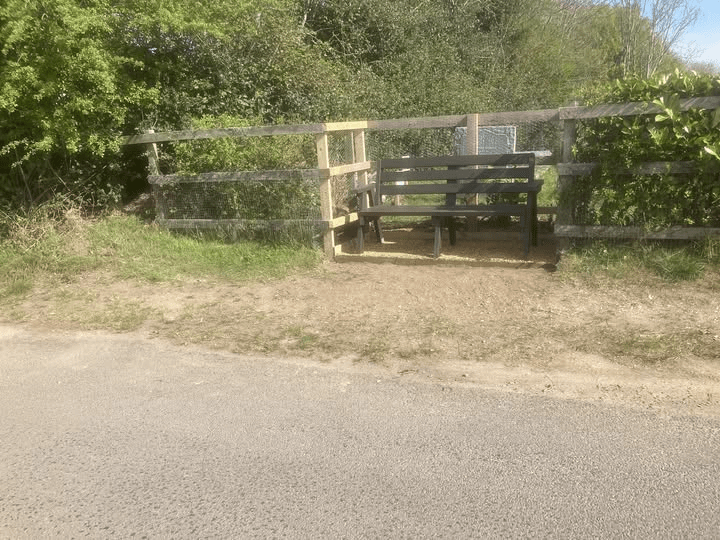
Drury Lane Bench Seat
Outdoor activities such as jogging, running, cycling and walking can benefit our health and bring us closer to nature but sometimes we need to take time out and have some peace in our busy lives Just go to Drury Lane and sit on our bench and relax for a while, enjoying the benefit of sunshine and absorbing the Vitamin D it offers free of charge to us. Look at the natural open space surrounding you where the silence may only be broken by a passing person saying a cheerful ‘Good Morning / Afternoon’ to you. You can reply and give a smile knowing the happiness it might bring to them.
As you sit on the bench seat find it a place of reconciliation, peace, and tranquillity. The air may be alive with birdsongs, the call of the Skylark – one which is heard but rarely seen. Other birds will be looking to nest in the area so look around and see what you can discover for yourself. April in this country embraces tender grace, fresh beginnings and growth in the natural world. The seat acts as a social connection fostering a sense of community and belonging for all and a place to recover for tired walkers.
________________________ Spring Colours
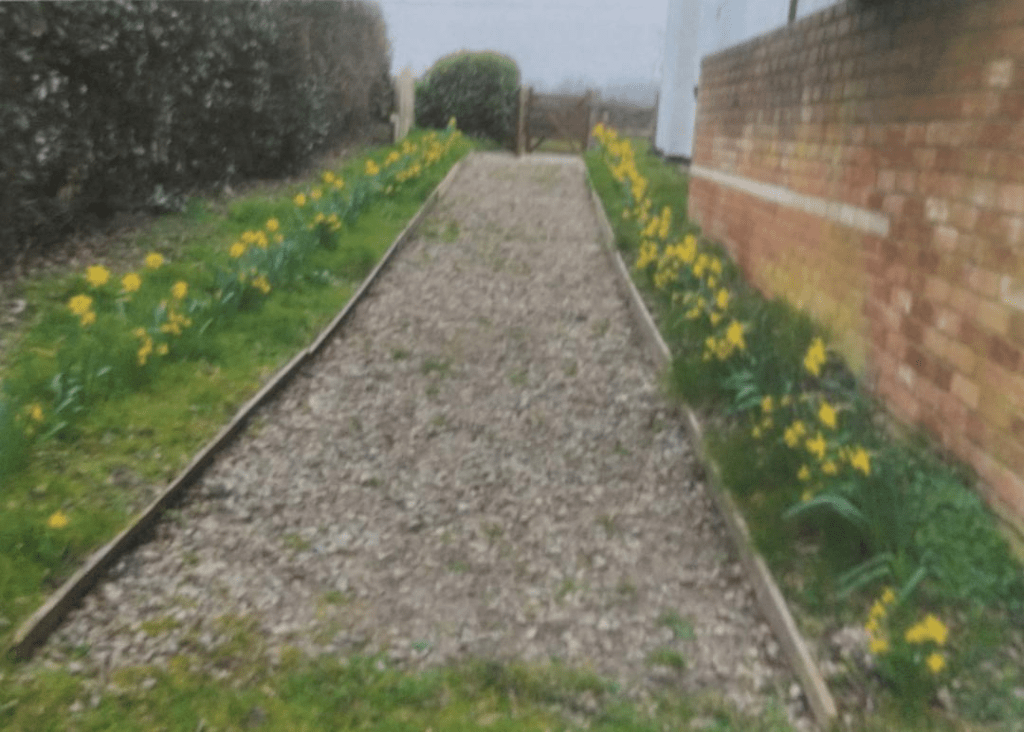
As the world wakes up from winter slumber let us draw inspiration from the beautiful, colourful Spring palette that displays itself to us, the budding flowers and trees, and the promise of warmer days ahead. Don’t wait for someone to give you flowers, plant up your own garden and decorate your own soul. Spring is the season of renewal, rebirth and a time for new beginnings so let us all fully embrace it as we see wonderful colours of blue, white, pink, lilac, yellow on our walks and in our daily lives.
Let’s rejoice in the promise of Spring For the lengthening days and the sun’s warmth on the soil For flowers growing reflecting our Creator’s artistry For new born lambs joyfully leaping across hillsides and fields For all of creation and the majesty of its Creator Amen
Global Engagement – Ethiopia
What is Ethiopia doing to stop climate change? As part of our Eco Church engagement across five African Nations, we have supported their Tree Aid programme . Ethiopia’s Metema forest is the last green belt before the desert faces extinction. Their future forest and developing rural resilience projects partner with communities to protect their land and combat the climate crisis. These projects support communities to become more resilient amidst regional insecurity thus reducing household income from farming In the past. A key benefit recently has seen increased production and sale of high-grade Frankincense by Co-operatives, boosting income. Additional monitoring shows increase in tree density contributing to the Metema forest. Reforestation has led to a 296% increase in income from non-timber forest products, and having 2560 hectares of protected forest land has created a 10% increase in density in monitored forest sites.
Dear Lord Thank you for giving new life to animals and plants You designed the seasons to each hold a special lesson for us You created so wonderfully and orchestrated everything to work in harmony We give you praise and thanks Gracious God Amen
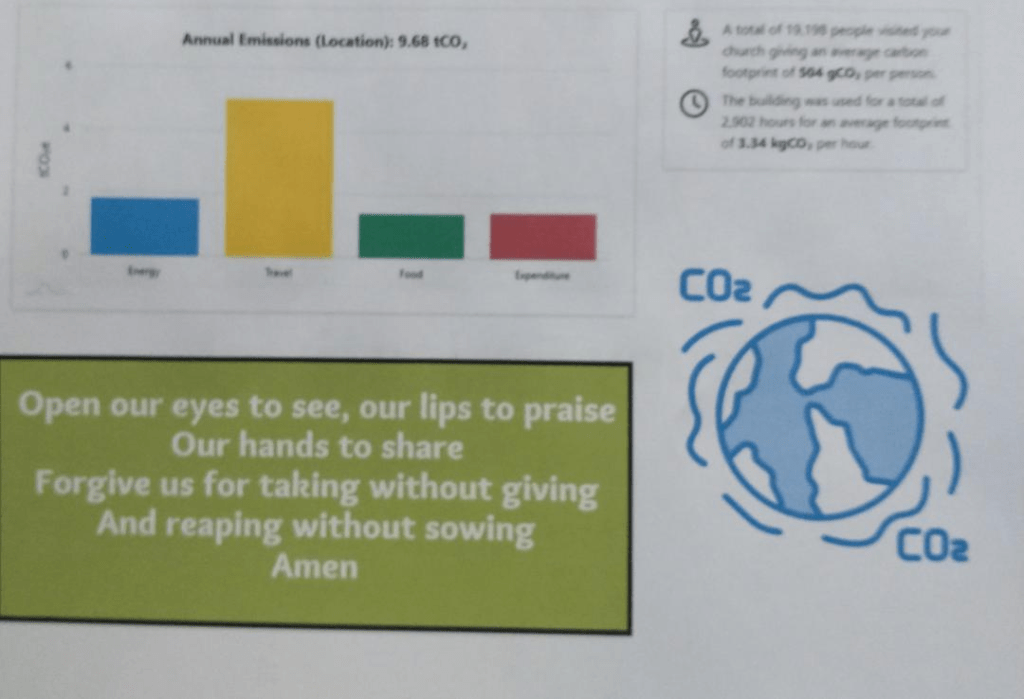
Carbon 360 Audit
Our Church is passionate in the protection of the environment. We are challenged and encouraged to care the earth by following sustainable practices and taking into account global and local environmental considerations for the present and future generations on a practical level. We have managed reductions in a carbon footprint. Our energy is supplied via a green energy supplier. Electrical sources from our 40 solar panels – both solar generated and exported demonstrates our commitment to the Eco Church ethos. You can see the full report from November 2023 to October 20
__________________________
The Vital Role of Lawns and Grass Areas
The nation’s lawns look set to play an increasingly significant role in mitigating the effects of climate change on UK gardens revealing the full extent of the environmental benefits of grass.
While considerable research has highlighted the role that peatbogs play in acting as carbon sinks and throws the spotlight onto forests’ unrivalled ability to store carbon and prevent it from contributing to climate change.
A little known fact is that grass areas and lawns also sequestrate carbon underground. Lawns are nature’s natural drainage system, reducing the risk of flash flooding in built-up areas, while enhancing biodiversity by creating habitats for insects. Grass areas keep cities cooler in a warming climate.
Gardeners regard themselves as custodians of the planet and increasingly strive to cultivate grass areas in a manner that is kind to the environment. They do this by steering away from the use of chemicals and fossil fuels used by tools like petrol burning lawnmowers. Instead, they use organic fertilizers, and switch to battery powered lawnmowers to drive a green revolution in lawncare.
While there is much written about plant’s ability to generate oxygen through photosynthesis, and houseplants’ role in cleaning up the air, the efficient oxygen production capability of lawns is frequently overloaded. According to a study by Liverpool University a 25 square foot area of healthy lawn produces enough oxygen each day to meet the needs of one adult.
Flash flooding is a growing menace in the UK’s towns and cities. When torrential rain occurs over long periods, the ground and drains cannot cope, turning roads and residential areas into rivers. Paved areas cannot absorb the volume of rainfall that grass naturally controls, leading to increased amounts of water run off compared to natural areas. Lawns play a vital role restabilising soil structures and preventing erosion during heavy rainfall, especially on embankments or steep inclines.
Noise pollution can also be softened by lawns – whether it is due to passing traffic on roads or aircraft overhead. It has a detrimental effect on our ability to enjoy the tranquillity of gardens. Lawns are estimated to decrease noise levels by 8 to 10 decibels as the soft surface absorbs some of the sound, whereas sound waves bounce off hard surfaces such as concrete and paving. Lawns managed at a higher mowing height have a greater short biomass, but lowering mower height produces greater lawn density by stimulating growth. A 2-inch mowing height is optimum for lawn health. It is essential to recognise the unexpected ways our daily habits make an impact to climate change; you can make informed decisions and take action to reduce your carbon footprint.
1) DIGITAL CARBON FOOTPRINT Streaming an hour of videos on platforms like Netflix or TikTok can emit as much carbon as driving 4 miles in a car. By reducing screen brightness and using power saving modes, it can lower our digital carbon footprint.
2) WATER CONSUMPTION Many people are unaware of the water-energy nexus (the relationship between water and energy production). Considerable energy is required to treat, pump, and heat water. By doing things such as taking shorter showers, fixing leaks promptly, and collecting rainwater for gardening, we can conserve precious energy resources.
3) LANDSCAPE PRACTICES Keeping pristine lawns involves excessive water usage, chemical fertilisers and fossil fuels for lawn equipment. Consider embracing alternative landscaping practices, like planting drought tolerant plants that need very little watering.
Heavenly Father open our eyes to see that Your fertile earth is being stripped of its riches, Your living waters are being choked with chemicals, Your clean air is being filled with pollutants. Move us by the wonder of Your creation to repent and care more deeply for it so we find ways to cherish and protect Your world. Amen
9 Unexpected Ways Your Lifestyle Contributes to Climate Change
It is essential to recognise the unexpected ways our daily habits make an impact to climate change; you can make informed decisions and take action to reduce your carbon footprint. 1) DIGITAL CARBON FOOTPRINT Streaming an hour of videos on platforms like Netflix or TikTok can emit as much carbon as driving 4 miles in a car. By reducing screen brightness and using power saving modes, it can lower our digital carbon footprint. 2) WATER CONSUMPTION Many people are unaware of the water-energy nexus (the relationship between water and energy production). Considerable energy is required to treat, pump, and heat water. By doing things such as taking shorter showers, fixing leaks promptly, and collecting rainwater for gardening, we can conserve precious energy resources. 3) LANDSCAPE PRACTICES Keeping pristine lawns involves excessive water usage, chemical fertilisers and fossil fuels for lawn equipment. Consider embracing alternative landscaping practices, like planting drought tolerant plants that need very little watering.
4) FOOD CHOICES Livestock farming requires vast amounts of land, water, and feed, leading to deforestation, water pollution and methane emissions. We can reduce meat consumption and opt for plant based alternatives that lower our carbon footprint. 5) FAST FURNITURE The furniture industry contributes to deforestation, with high carbon emissions coming from manufacturing and waste generation. Fast furniture is characterised by inexpensive and often low-quality pieces which encourages a throwaway culture. Instead, consider refurbishing, repurposing, or purchasing second-hand furniture. 6) DISPOSABLE BEAUTY PRODUCTS Single-use beauty products like make-up wipes and cotton pads generate significant waste and contribute to deforestation. These products often end up in landfill sites and take a long time to decompose. Alternative options include using washable cloth wipes or bamboo pads, as well as seeking out eco-conscious beauty brands that use sustainable ingredients.
7) FASHION WASTE The fashion industry produces excessive waste and emits greenhouse gas throughout the production cycle. Fast fashion is characterised by inexpensive and rapidly changes trends which encourages a culture of disposable clothing. Instead, try donating to and purchasing from charity shops or clothes swaps. Upcycling old clothes to increase their lifespan is another method to reduce the environmental impacts of fast fashion. 8) AIR TRAVEL Air travel is a strong contributor to carbon emissions, and while it isn’t possible to always avoid it, using alternative modes of transport such as trains or buses can offset your carbon footprint for those unavoidable instances. 9) WASTE MANAGEMENT We are all facing a substantial challenge in waste management with overflowing landfill sites and inadequate recycling infrastructure. Improper waste disposal can lead to increased greenhouse gas emissions. To reduce the contribution to landfill, practice responsible waste through utilising recycling facilities made available to you, as well as starting composting initiatives at home.
Climate change is a collective challenge that requires individual action. We can make a difference whether it is reducing digital consumption, conserving water, adopting plant-based diets, choosing eco-friendly furniture, embracing reusable beauty products, practicing mindful fashion choices, or exploring other avenues of sustainable living. Every small step counts. Let us make conscious decisions and work together to create a sustainable future for our planet. Remember that your choices matter as you can be part of the solution to combat climate change.
Native Hedging Our hedge planted in March is now well established and will offer vital shelter from the elements as the hedge grows. In spring it will be dense with spring branches and will be a great nesting spot for birds, abundant with flowers and leaves and all manner of bees, butterflies, birds, and other creatures will make use of our hedge.
Caring for Wildlife in the Autumn
Help birds find a home. Birds will be seeking shelter in the coming weeks. Winter is a good time to give existing nest boxes a good clean in preparation of their next arrival or to put up new boxes. Leave seed heads standing. As plants die back, choose to leave some of the seed heads standing. The seeds will provide food for the birds and mammals. Hollow stems and intricate seed heads are valuable shelter for overwintering insects like ladybirds. Alternatively, cut stems back and leave small piles in quieter areas. Make a toad abode. Toads don’t hibernate in winter but spend most of their time burrowed into mud or compost to conserve energy, emerging to forage during milder spells. Give them a ready-made shelter with a large, upturned plant pot in a shady spot. Place it upside down over soft soil with one edge propped up for toads to crawl under and burrow or lay the pot on its side and half fill it with soil, moss or leaves.
Feed the birds As temperatures plummet and food becomes difficult to find, a helping hand can make all the difference for birds. Keep tables and hanging feeds topped up with calorie-rich supplies like fat balls, peanuts and sunflower hearts to help replenish the extra energy they use to keep warm. Plan ahead for future winters by planting a tree and letting nature provide. It is the perfect time to plant and one of the most satisfying and hassle-free ways to offer valuable food and shelter for a whole host of wildlife.
Monitor hedgehog feeding stations Hedgehogs can hibernate from around October to April but may still be out and about in early winter if conditions are mild. They may also wake up for brief periods to search for food as fat reserves deplete, especially if they were born later in the year, so it is worth leaving some food undercover at all times. A bowl of cat biscuits will stay dry and edible for at least a week. Avoid turning the compost heap Turning your compost will not hurt wildlife, but it will disturb any hibernating slow worms, frogs or hedgehogs from their winter slumber. Moving compost around in cold conditions will lose some of that all-important heat needed for decomposition too, so it is best for everyone to wait until spring when the weather warms up and any residents have moved on. Thaw icy waters When temperatures drop, remedy frozen bird baths whenever possible so wildlife can access drinking and bathing water. When surfaces freeze defrost them then by carefully pouring warm water over them – but not boiling water as containers could crack. For ponds, try floating a ball in the water to maintain an airhole for frogs and newts that may be hibernating in the depths. Buy charitable gifts Help wildlife from the comfort of your home by shopping for Christmas, birthdays or other special occasions with organisations that use the proceeds for good causes. Buy dedications and virtual gifts to wildlife habitats and nature themed kitchenware from sustainable sources.
Don’t forget to go out & experience nature as winter approaches
_______________________________
NATIVE HEDGE
Our Eco Church journey continues by exploring creative options for encouraging wildlife on our Church land. To connect local communities to nature.
Planting native hedges offers habitats, food, shade, and shelter for many species.
Here the mixed hedge plants are:-
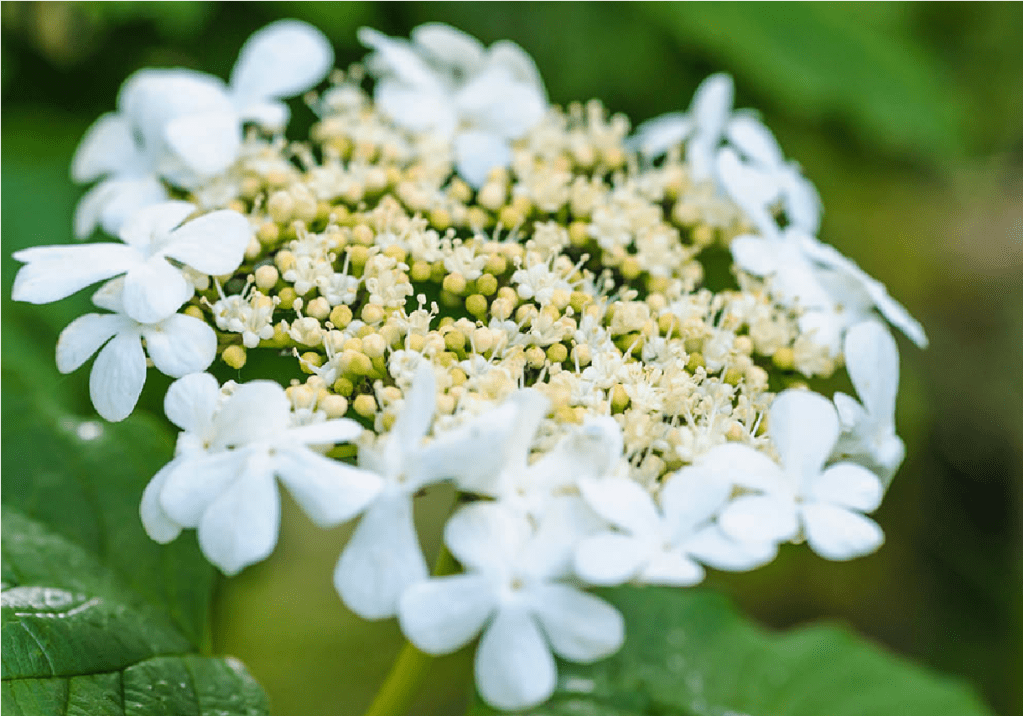
GUELDER ROSE (VIBURNUM OPULUS)
The red berries are an important food source for Bullfinch and Mistlethrush. The broad lobed leaves are recognisable in the autumn as they turn brilliant red, displays of umbels (umbrella like clusters) of large china white flowers in the summer.
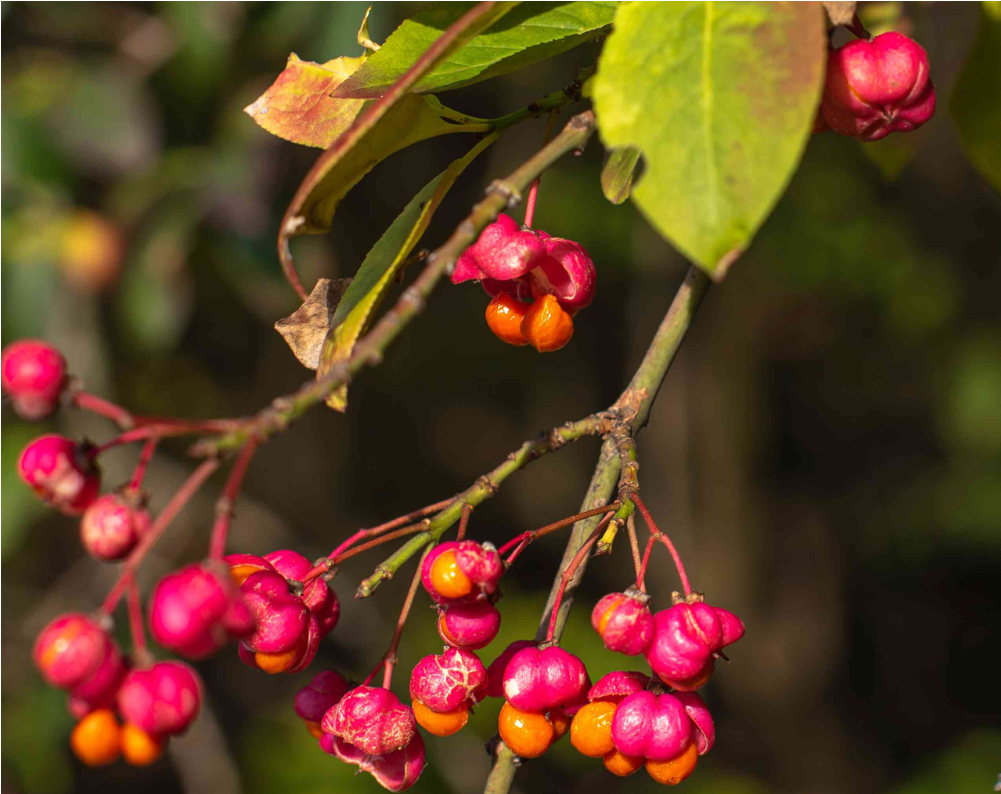
SPINDLE (EUONYMUS EUROPONEA)
Beautiful in autumn – leaves turn russet and pink, attracts Blue Butterfly, Ladybirds, Hoverflies, House Sparrows, and other bird species.
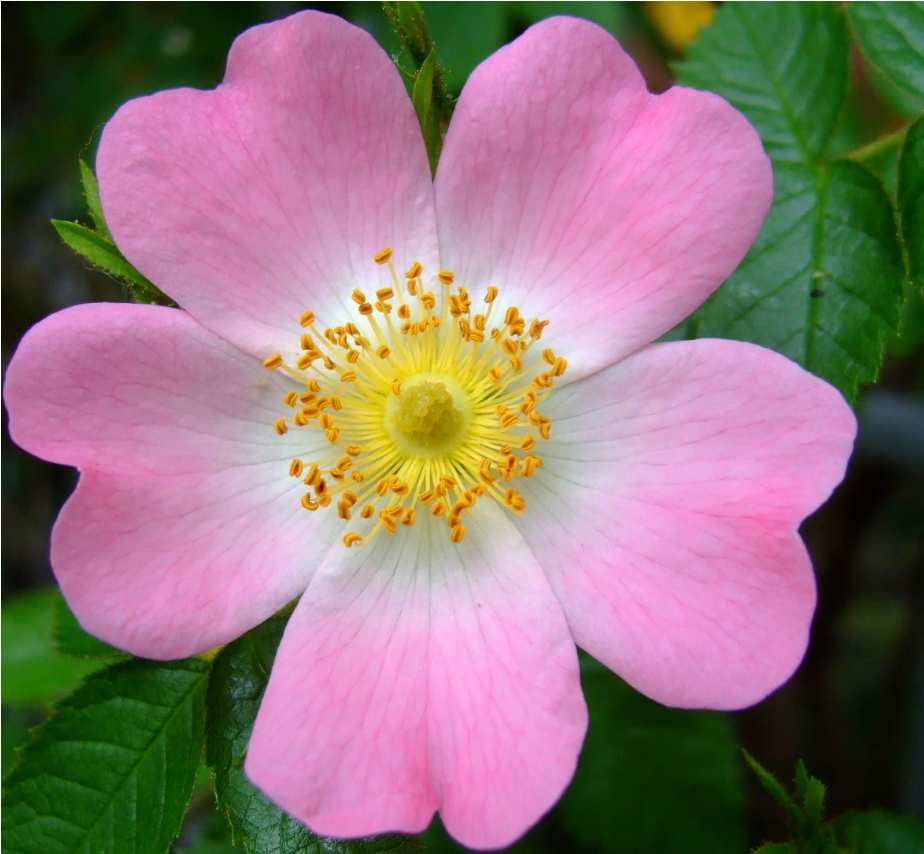
DOG ROSE (ROSA CANINA)
Dog rose flowers are an important nectar source for insects and its fruits a food source for Blackbirds, Redwings, and waxwings. Leaves eaten by caterpillar moths – colour of flowers are red, pink turning yellow in Autumn.
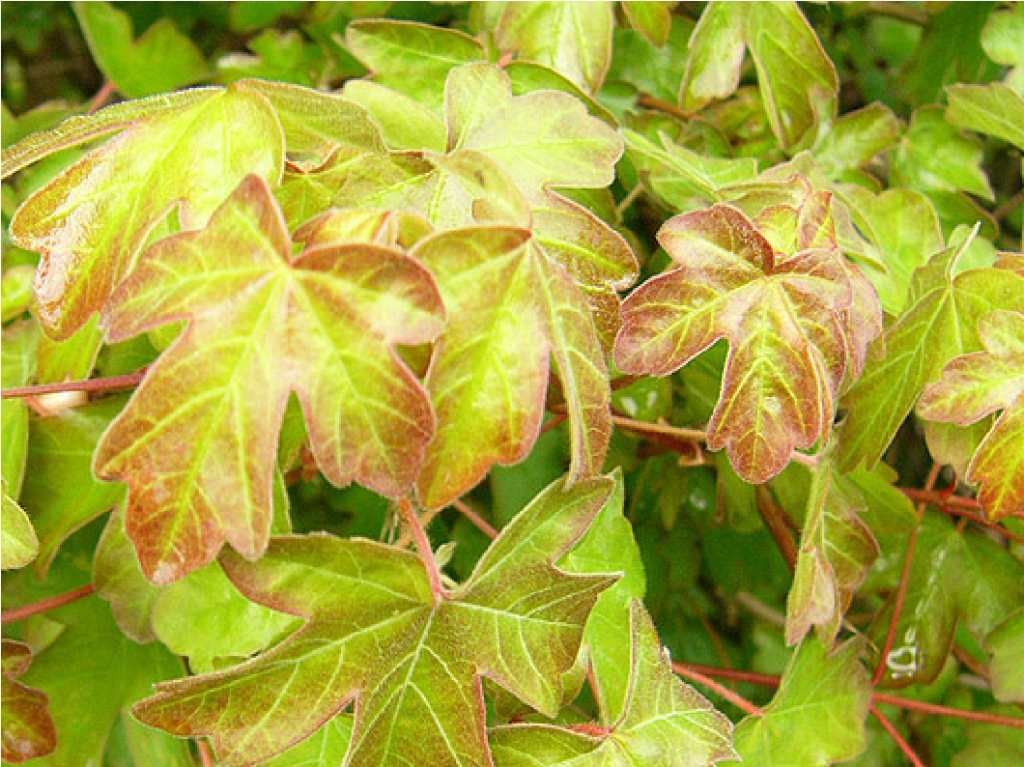
FIELD MAPLE (ACER CAMPESTRE)
A source of food for bees, birds, and small mammals – valued for colour its changing ability when it transforms from silver to gold. A kind of natural alchemy that is known as “Sunshine Fire”.
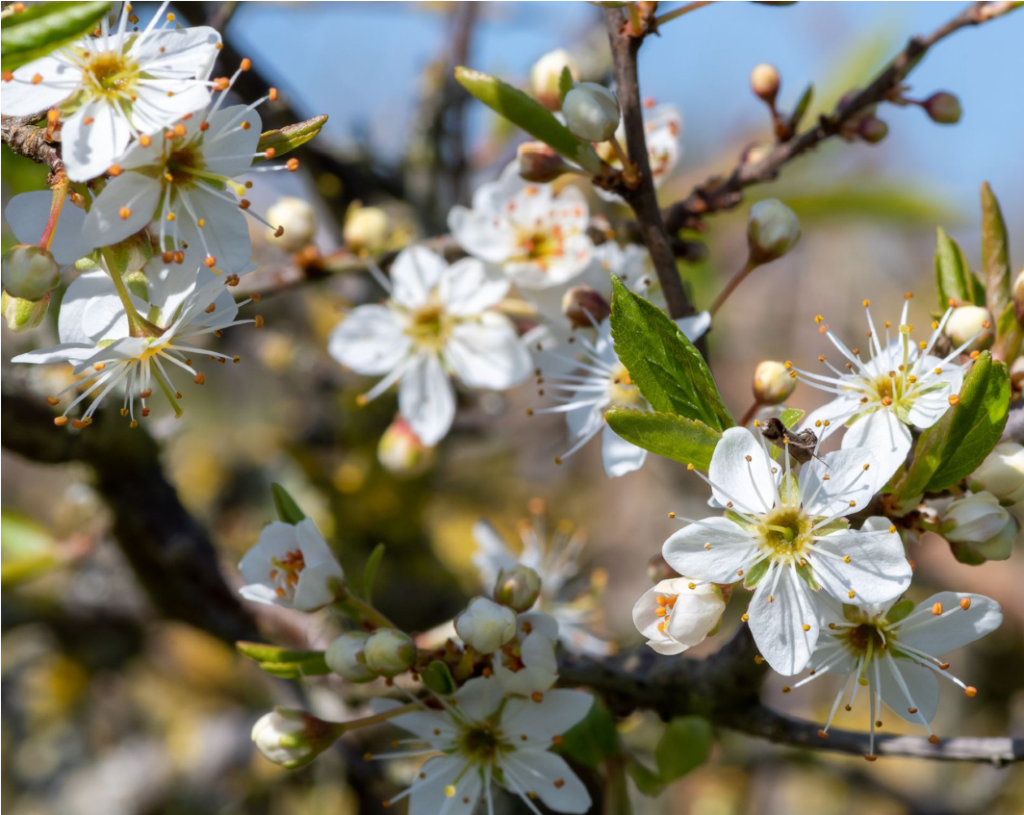
BLACKTHORN (PRUNUS SPINOSA) Provides nectar pollen, food, and habitat to an enormous variety of insects, as well as brown and Back Hamstrusal Butterflies. A profusion of snow-white flowers, this plant prevents soil erosion and attracts Redwings, Field Fares who gorge on its berries and disperse the seeds – a sloe motion.
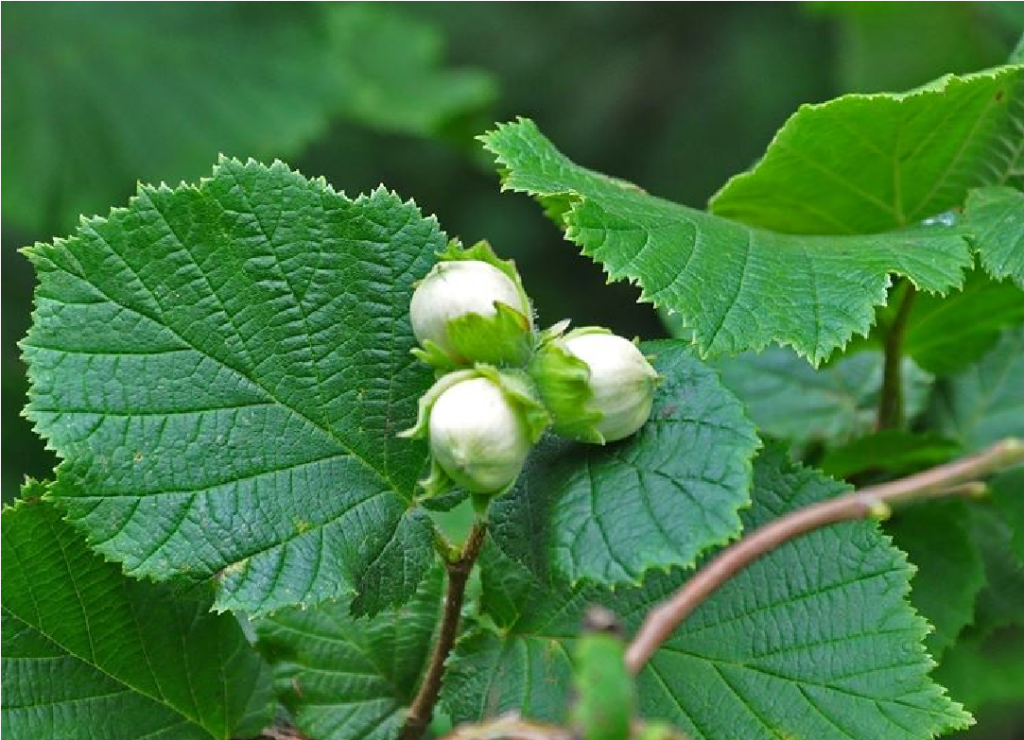
HAZEL (CORYLUS AVELIANA)
A much-stemmed hedge plant draped in golden catkins in Spring. Left alone it has white lace cap flowers with – wonderful green foliage.
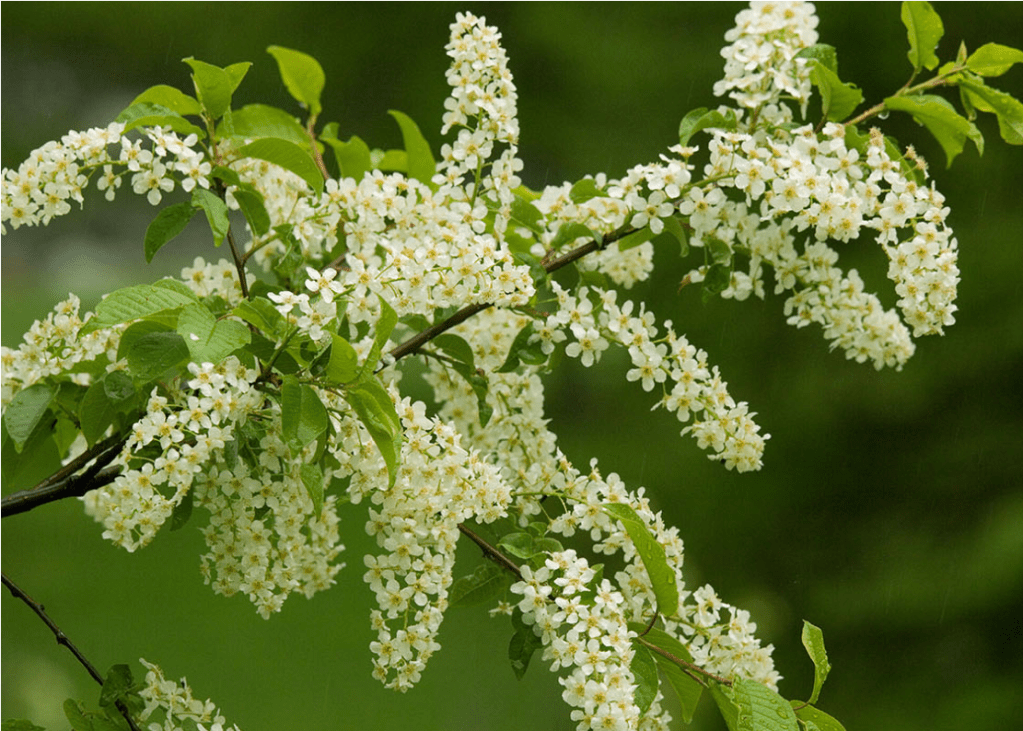
BIRD CHERRY (PRUNUS PADUS)
The flowers provide nectar and pollen for insects – the black leaves attract birds, badgers, and small animals additionally moth caterpillars eat the leaves. Bird Cherry boasts racemes of almond scented white open petal flowers with an almond peach centre.
The human environment is greatly enhanced by trees and hedges. They reduce pollution, capture carbon, and mitigate flooding, improve our mental health which inspires us to worship God seeing his hand at work.
Don Graham
________________________________________-
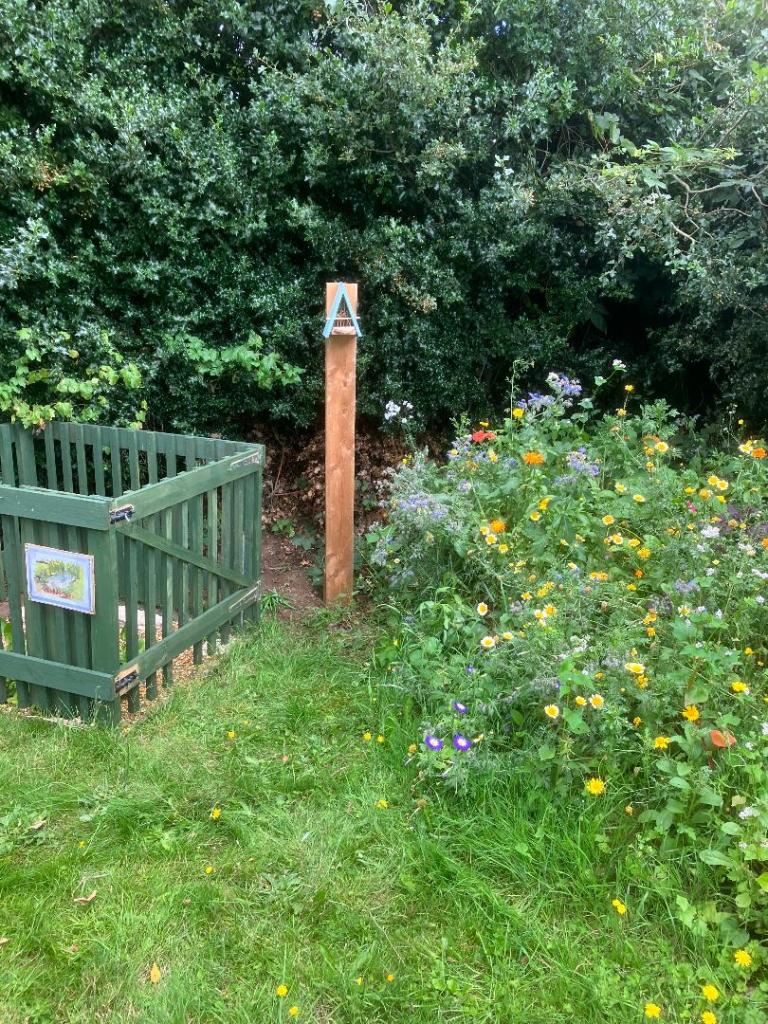
Our Eco church climate change journey is continually evolving, growing vegetables for the community. The recycling activities are ongoing. Our wildflower gardens provide wildlife with shelter, a place to breed, and food from stems. The wildflowers were visited by many pollinators.
Photo by Don Graham Our burial ground, by the old chapel in Drury Lane, has a wildflower garden and pond. The timber box is a habitat for Butterflies which have a ledge for a feed tray where we put in mashed banana and sugar water.
Changing lifestyles and Energy Conservation measurement with 100% LED lighting focused on our achievement in attaining a Gold Award in 2023.
2024 brings new ventures, working with Greening Mortimer in their Space for Nature, as well as our own Nature Recovery programme by increasing biodiversity and creating butterfly habitats through specific planting. As part of our Global and Communities Engagement with Tree Aid across five African nations, we supported their cause of creating Greenland’s Campaign.

 Mortimer Methodist Church